LIS 563: Readers’ Advisory Services in Public Libraries (Spring 2026)
A Librarian’s Guide to SCIENCE FICTION
A one-stop guide for librarians to navigate the expansive world of science fiction, featuring key characteristics, major subgenres, influential works, and curated resources.

About the Genre
“I write about people who do extraordinary things. It just turned out that it was called science fiction.” – Octavia Butler
Science fiction is a genre centered on “what if” questions, exploring limitless possibilities grounded in science or plausible future developments, where technology or scientific ideas are essential to the story. It stands out as a genre of change. Using elements from many fields, such as social sciences, ethics, religion, and ecology, writers examine complex moral and societal issues in imaginative settings that may feel unfamiliar. While science fiction often struggles to accurately predict the future, as once-futuristic ideas can become everyday realities, its true power lies in inspiring innovation and shaping the future by sparking curiosity and creativity in both readers and scientists.
History of the Genre
There is a lack of consensus when it comes to defining science fiction as a literary genre. Often contested amongst devotees and historians alike, it can be hard to pinpoint its beginning. Nevertheless, it’s hard to argue the impact of some key creators. Watch the video to learn how the genre was shaped over hundreds of years.

“Forget the stereotypes. That is the first thing librarians can do while conducting sf readers’ advisory.”
— Kim Kofmel (2004)
General Readers Vs. Fans
Readers of science fiction often fall into two broad groups: general readers and purists/fans. General readers tend to be curious and open to recommendations. They enjoy series fiction and may develop a strong preference for a particular author whose work resonates with them.
Purists/fans, by contrast, are deeply knowledgeable about the genre and its history. They typically prefer to seek out information independently through reviews, forums, and other readers’ advisory (RA) resources. While they may not rely heavily on direct recommendations, purists can be invaluable to librarians, offering expertise on the genre.

Appeal Characteristics
Click to expand.
Pacing is typically shaped by how much action is present. Stories focused on internal elements (like philosophical or psychological) tend to move more slowly but can feel deeply engaging. In contrast, stories driven by external action move quickly and keep readers turning pages through constant excitement.
In science fiction, character development often takes a back seat to the setting and plot. Because many science fiction works are part of a series, authors usually expand and deepen characters over time, especially after establishing the complex world in which the story takes place.
The plot frequently challenges traditional beliefs and explores complex or uncomfortable questions. These stories are often set in the future or in unfamiliar worlds, pushing readers to think in new ways in order to understand the environment. At its core, science fiction highlights the value of storytelling and imagination.
The setting is vivid and highly descriptive, requiring readers to picture the world, characters, and events clearly. The tone can vary widely. It can be humorous and quirky or dark and serious. This strongly influences the overall mood. Attention to detail is especially important, as science fiction often relies on technical and imaginative elements that enrich the experience.
Categories and Subgenres
Click to expand.
This category is based on classic heroic adventure stories. Stories where the battle between good and evil is clear. These are usually fast-paced and action-driven, with characters needing to act quickly to solve problems and overcome challenges. It is one of the most popular types of science fiction.
Subgenres:
Space Opera: Leigh Brackett (The Long Tomorrow), Frank Patrick Herbert (Dune) Stephen Donaldson, David Weber, Iain Banks, Lois McMaster Bujold
Militaristic and War: John Barnes, Orson Scott Card, Gordon Dickson, David Feintuch, Joe Haldeman, Robert Heinlein
Exploration: Brian Aldiss, Isaac Asimov, Ben Bova, David Brin, Arthur C. Clarke, Larry Niven, Kim Stanley Robinson, Jules Verne
Space Travel: Piers Anthony, Anne McCaffrey, Robert Sawyer, E.E. Doc. Smith.
Time Travel: Bridget Wood (Wolf King), H.G. Wells, Marion Zimmer Bradley, Robert Silberberg, Michael Crichton, Isaac Asimov, John Barnes, Madeleine L’Engle, Julian May
Our world already relies heavily on technology, but this category takes it even further. Every task is handled by a gadget, or robots and androids walk alongside humans, completing everyday chores. This is the technology category of science fiction. It whistles, beeps, or runs on advanced systems.
Subgenres:
High Tech: William Gibson, David Wingrove, Neal Stephenson.
Robots, Androids, Cyborgs: Poul Anderson, Catherine Asaro, Isaac Asimov, Mary Wollstonecraft Shelley, Philip K. Dick, James P. Hogan (Code of the Lifemaker), Frederick Pohl (Man Plus),
Computers & Artificial Intelligence: Orson Scott Card, William Shatner, Fred Saberhagen (Berserkers!), Neal Stephenson, Charles Platt (The Silicon Man), Lisa Mason (Cyberweb), Pierre Ouellette (The Deus Machine)
Nanotechnology: Greg Bear, Ben Bova, Rebecca Ore, Allen Steele.
Virtual Reality: Ben Bova (Death Dream), William Gibson, Wil McCarthy, Melissa Scott, Gloria Skurzynski (Cyberstorm)
What if? That’s what this category asks.
Subgenres:
Future is bleak: Octavia E. Butler (Parable of the Sower), Brendan DuBois, Whitley Strieber, Ann Benson, Stephen Baxter, Douglas Preston & Lincoln Child, Margaret Atwood, Philip K. Dick, Robert Silver berg.
Social Structures or New Wave: David Brin, James Blish, Frank Herbert, Lois Lowry, Sharon Shinn, Dan Simmons, Gene Wolf.
Parallel Worlds and Alternate Histories: Piers Anthony, Greg Bear (Dinosaur Summer), Robert Harris (Fatherland), Harry Turtledove (The Guns of the South), Patricia Anthony (Brother Termite).
There are creatures here: aliens, animals, humans. What does it mean to be human and how can connect with non-humans?
Subgenres:
Genetic Engineering: Catherine Asaro, Tara Harper, Nancy Kress (Beggars Trilogy), Anne McCaffrey, Alan Dean Foster, Roger Zelazny.
Aliens: Piers Anthony, David Gerrold, Andre Norton, Charles Sheffield, Terry Pratchett, Gregory Benford, C.J. Cherryh, Sheri Tepper, Robert Heinlein.
Moreno (2026)
Past is Prologue
A common belief about science fiction is that it is mainly about the future. However, science fiction is really about the present. No matter where or when the story takes place, it reflects the issues and concerns of the time it was written. his is important to remember in readers’ advisory because it helps librarians connect readers with books that match their interests. By focusing on the themes and real-world issues in a story, rather than just its futuristic setting, advisors can recommend books that better fit what a reader is looking for. (Speace, 2020)
Key Authors
Referred to as “the big three,” Isaac Asimov, Robert A. Heinlein, and Arthur C. Clarke are some of the most important early writers in science fiction. Their stories helped shape the genre and introduced big ideas about space, technology, and the future.
As noted by Gillian Speace, reading the staples of classic science fiction is a great way to encourage readers to explore the genre’s foundational blocks. (Speace, 2020)
“The Holy Trinity” of Sci-Fi Authors – Derek M. Buker (2002)
Click to expand.
Isaac Asimov
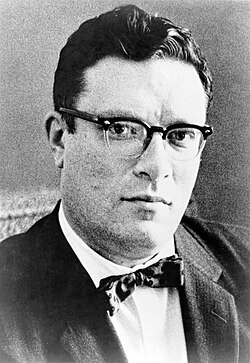
January 2, 1920 – April 6, 1992
I, Robot (1950), Foundation (1951)
Isaac Asimov is known for his idea-driven storytelling that explores science, logic, and the future of humanity. His work appeals to science fiction readers because it focuses on big concepts. Think robotics and the laws that govern artificial intelligence. His work is easy to follow and thought-provoking. He helped define many of the core ideas that continue to shape the genre today.
Robert A. Heinlein
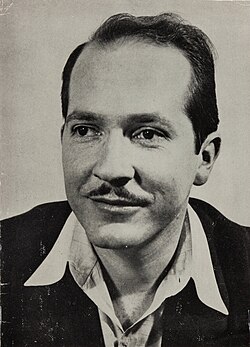
July 7, 1907 – May 8, 1988
Starship Troopers (1959), Stranger in a Strange Land (1961)
Robert A. Heinlein is known for his adventurous storytelling and exploration of political and social ideas within futuristic settings. His work appeals to science fiction readers through fast-paced plots, strong characters, and thought-provoking themes about freedom, responsibility, and society.
Arthur C. Clarke
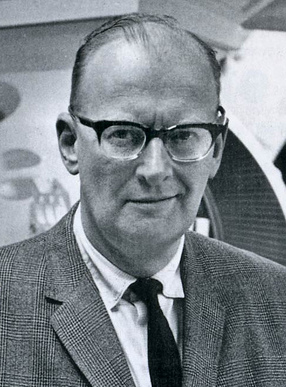
July 7, 1907 – May 8, 1988
2001: A Space Odyssey (1968), Rendezvous with Rama (1973)
Arthur C. Clarke is known for his visionary ideas and realistic approach to science and technology. His work appeals to science fiction readers because it explores space exploration and humanity’s place in the universe with a sense of wonder and possibility. He combines scientific accuracy with imaginative storytelling, making his writing both believable.
Other Notable Authors
Science fiction has grown a lot since then, so it’s important to explore other authors and voices to get a full picture of the genre.
Ray Bradbury
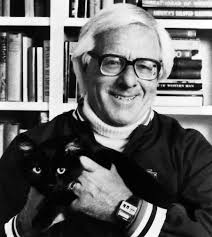
August 22, 1920 – June 5, 2012
Fahrenheit 451 (1953), The Martian Chronicles (1950)
Ray Bradbury is a seminal figure in science fiction whose work blends imaginative speculation with poetic prose and deeply human themes.
Rather than focusing solely on technology, his stories explore memory, identity, and the emotional consequences of change, making them accessible to a wide range of readers. His ability to balance wonder with caution continues to resonate with science fiction audiences.
Octavia E. Butler
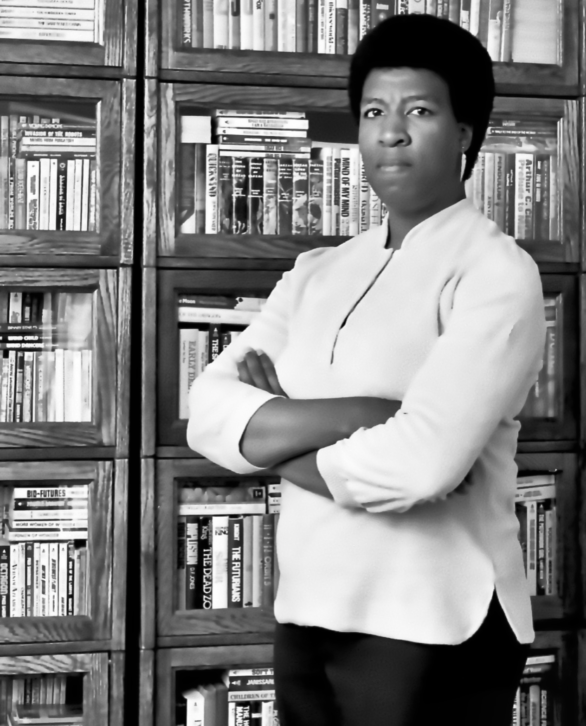
June 22, 1947 – February 24, 2006
Kindred (1979), Parable of the Sower (1993)
Octavia E. Butler is celebrated for her groundbreaking contributions to science fiction, blending speculative storytelling with powerful explorations of race, gender, power, and survival. Her work appeals to readers through its deeply human focus and thought-provoking themes, often challenging conventional narratives within the genre.
By centering marginalized perspectives and complex moral questions, Butler’s writing remains widely influential.
Philip K. Dick
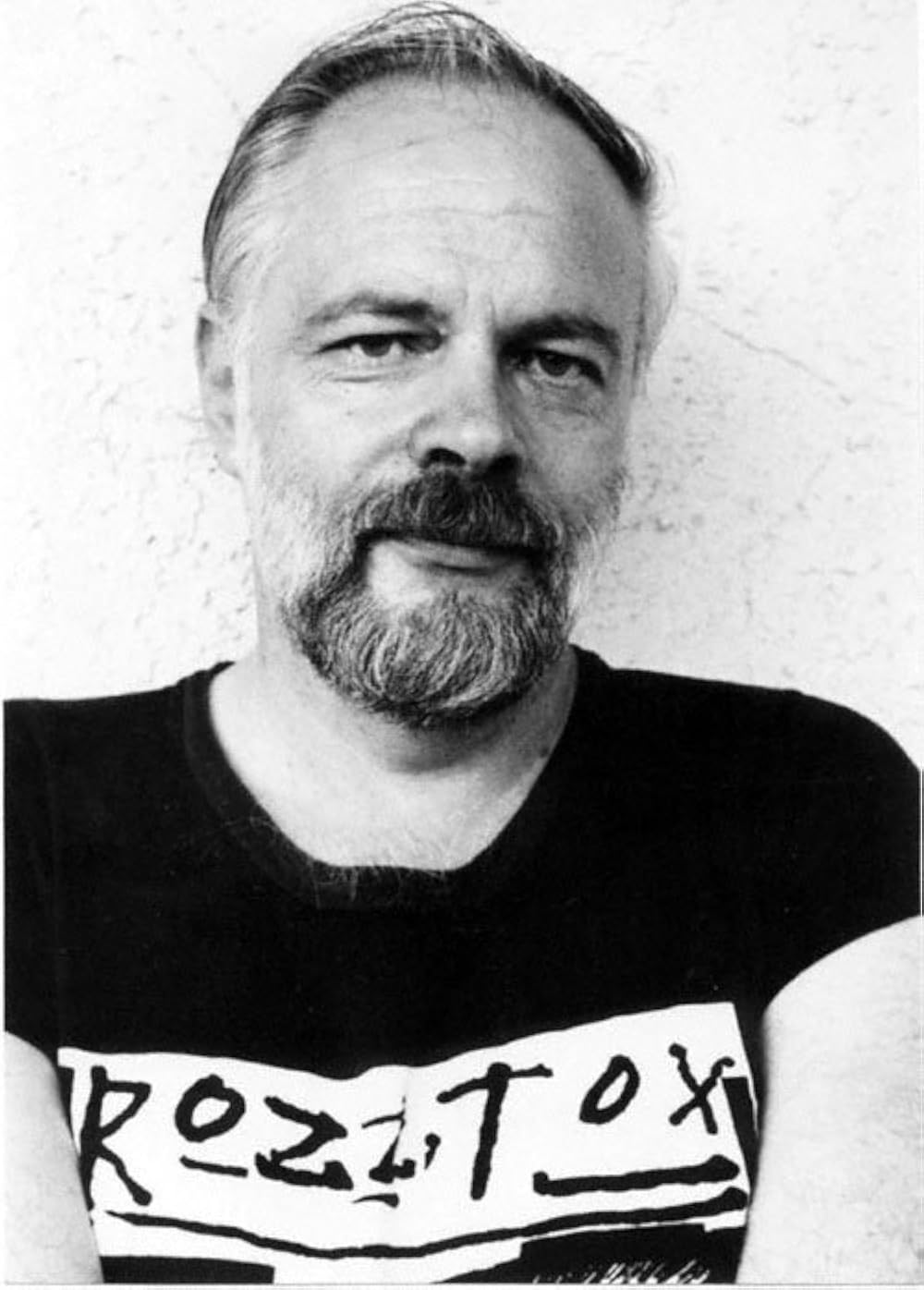
December 16, 1928 – March 2, 1982
Do Androids Dream of Electric Sheep? (1968), The Man in the High Castle (1962)
Philip K. Dick is known for his psychologically complex and often unsettling explorations of reality, identity, and perception. His work appeals to science fiction readers through its focus on altered states, artificial intelligence, and the instability of what is considered “real.”
By blending philosophical questions with fast-paced, imaginative storytelling, his writing continues to challenge and engage readers within the genre.
Ursula K. Le Guin
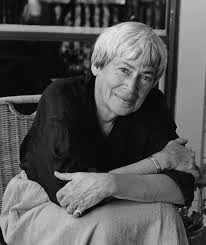
October 21, 1929 – January 22, 2018
The Left Hand of Darkness (1969), A Wizard of Earthsea (1968)
Ursula K. Le Guin is a foundational voice in science fiction, known for her thoughtful exploration of culture, identity, and social structures through imagined worlds. Her work appeals to readers by combining anthropological insight with philosophical depth.
By challenging assumptions about gender, power, and society, Le Guin’s writing offers intellectual engagement and enduring relevance.
Book Annotations
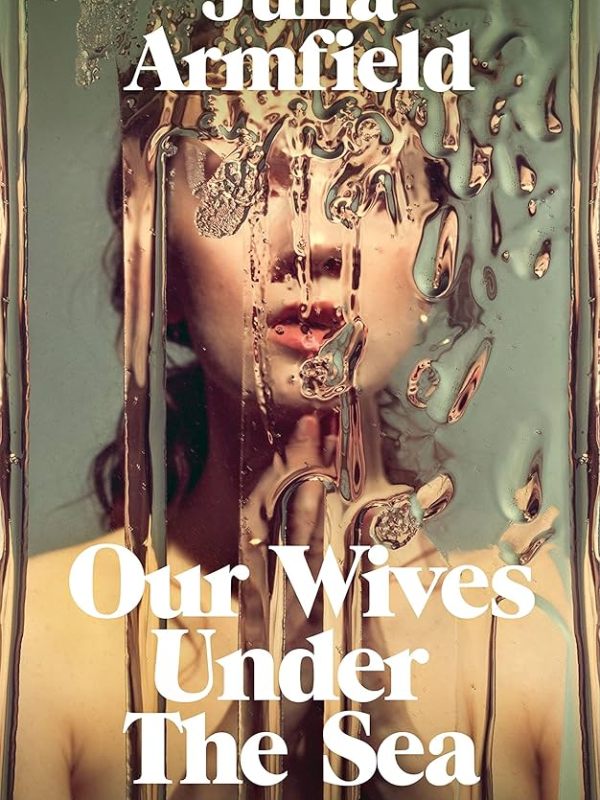
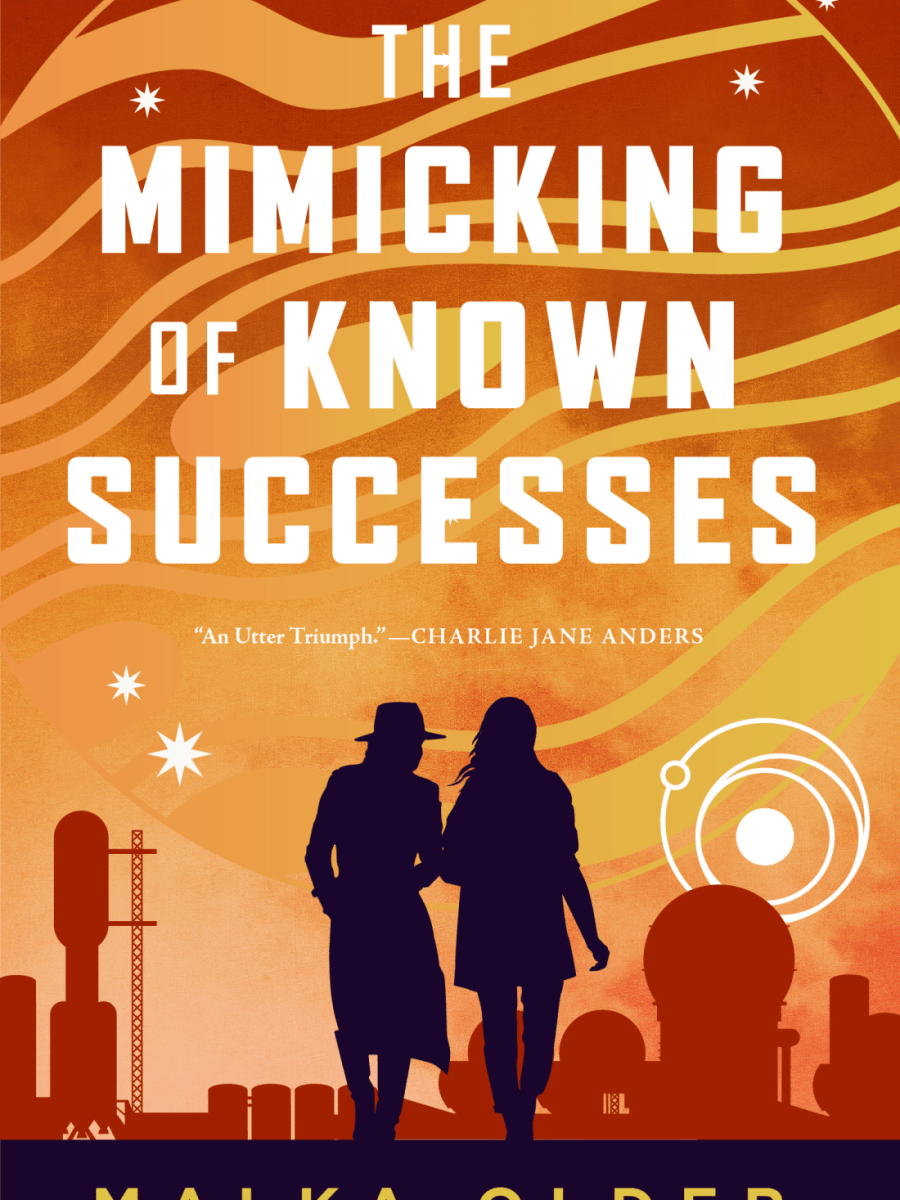
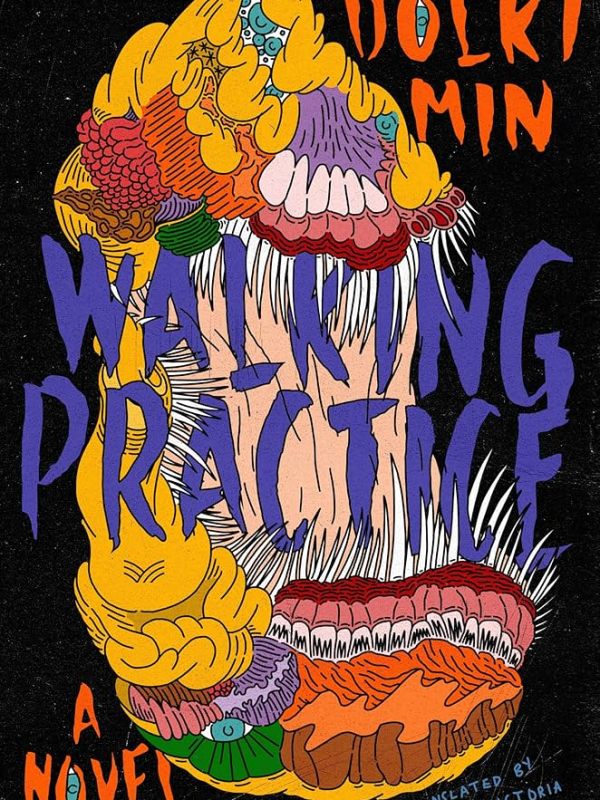
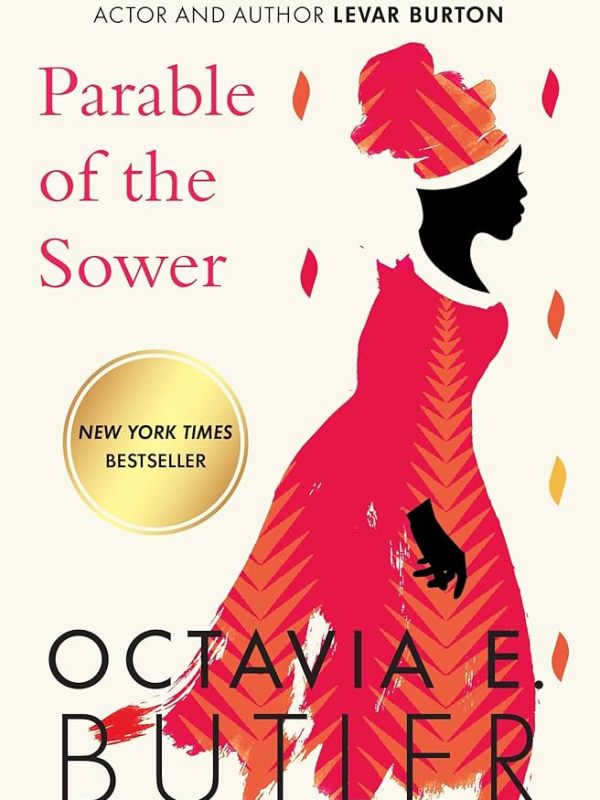
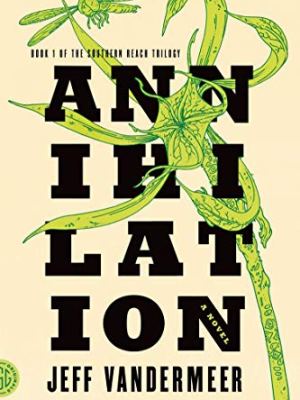
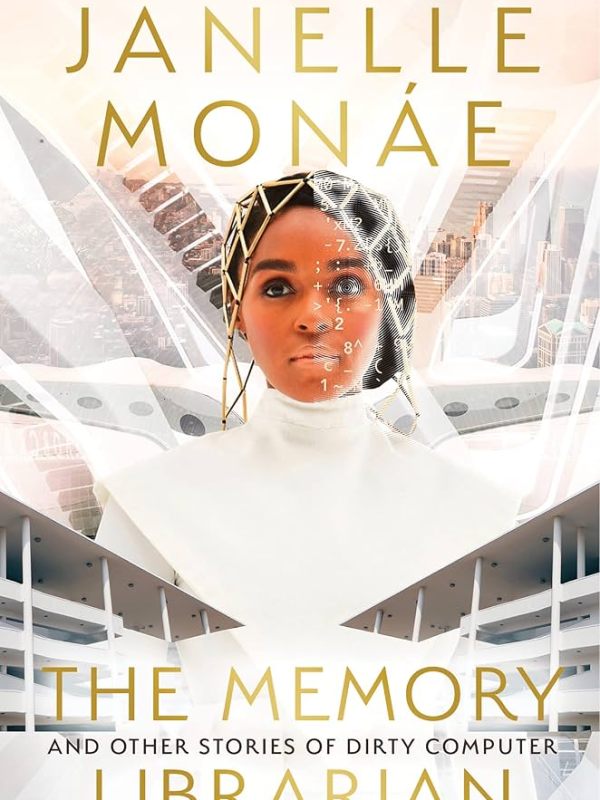
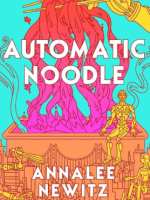
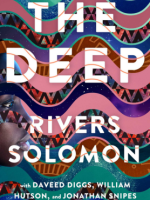
Annotated Bibliography
Click to expand.
Buker, D. M. (2002). Science Fiction and Fantasy Readers’ Advisory: The Librarian’s Guide to Cyborgs, Aliens, and Sorcerers. American Library Association.
A practical guide designed to help librarians and readers navigate the science fiction and fantasy genres. The book breaks down major subgenres and provides recommended titles, including summaries and award-winning works. It also offers suggestions for both dedicated fans and new readers, making it a useful tool for readers’ advisory.
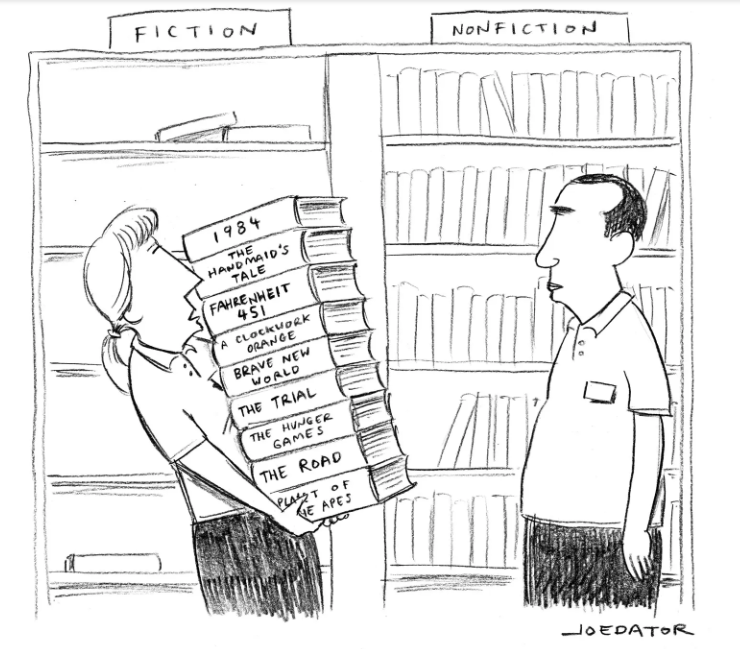
Dator, J. (2019). Can you give me a hand moving these? In The New Yorker. https://www.newyorker.com/cartoons/daily-cartoon/monday-may-13th-dystopian-nonfiction
Text
Herald, D. T., & Kunzel, B. (2002). Strictly Science Fiction. Libraries Unlimited.
A helpful guide to science fiction books. It includes a wide variety of stories, from classic novels and space adventures to books about aliens, robots, and advanced technology. The titles are organized by themes, making it easier to find books based on your interests. Each book comes with a short description, and some have more detailed explanations. This guide is useful for librarians building collections, but it’s also great for students and fans who want to discover new science fiction books.
Kofmel, K. G. (2004). SCI-FI 101. Library Journal, 129(14), 46-47. Retrieved from https://www.proquest.com/trade-journals/sci-fi-101/docview/196836314/se-2
Kim G. Kofmel examines science fiction readers in this study, challenging common stereotypes and showing that the genre appeals to a diverse audience. Based on interviews with adult readers, the article explores what draws people to sci-fi as well as what causes them to lose interest. It also highlights the importance of understanding readers’ preferences and terminology when recommending books.
Moreno, D. (2026) “Science Fiction.” LIS 563: Readers’ Advisory Services in Public Libraries. University of Arizona.
This science fiction lecture explains the genre as one that explores “what if” questions about science, technology, and the future of humanity. It covers the history of the genre, from early writers like Mary Wollstonecraft Shelley to modern trends, and explains how science fiction reflects social change and new technologies.
PBS Voices. (2018). The Evolution of Science Fiction (Feat. Lindsay Ellis) | It’s Lit! In YouTube. https://www.youtube.com/watch?v=T4j5tGNms14
This video explains that science fiction did not suddenly begin with modern authors like Ray Bradbury or Frank Herbert. Instead, its roots go back much further to ancient stories and myths from around the world. Early tales like the Japanese story Urashima Tarō and collections such as One Thousand and One Nights already included imaginative ideas about time travel, strange worlds, and advanced concepts. The video shows that while these early stories contained “speculative” elements, science fiction as we know it today developed over time through key historical periods.
Sheidlower, J. (n.d.). Historical Dictionary of Science Fiction. Sfdictionary.com. Retrieved April 19, 2026, from https://sfdictionary.com/
An online reference tool that explores the history and meanings of science fiction terms. The site provides detailed definitions, word origins, and examples of how terms have been used over time. It helps readers better understand the language of the genre, making it especially useful for students, researchers, and science fiction fans who want to learn more about its vocabulary and development.
Speace, G. (2020). Readers’ Advisory: Past is Prologue: Science Fiction and Ways of Working. Reference & User Services Quarterly, 59(2), 96. https://doi.org/10.5860/rusq.59.2.7273
This article by Gillian Speace explores how science fiction reflects real-world concerns across time, showing that the genre is less about the future and more about the issues of the present. It highlights major themes such as technology, alien encounters, climate change, and time travel, connecting classic and modern works to help readers better understand and navigate the genre. The article is especially useful for librarians, offering strategies for recommending science fiction by linking familiar themes to both new and classic titles.
Reactor. (2026). This Month’s New Releases. Reactor. https://reactormag.com/tag/new-releases/
Features a wide range of science fiction and fantasy titles from one of the leading publishers in the genre. The site includes book descriptions, author information, new releases, and recommendations across many subgenres, making it easy to explore different types of stories. It is a helpful tool for readers looking to discover new books and for librarians doing readers’ advisory or collection building.
World Science Fiction Society. (2025). The Hugo Awards. The Hugo Awards. https://www.thehugoawards.org/
The Hugo Awards website serves as the official platform documenting and promoting one of the most prestigious honors in science fiction and fantasy. Administered by the World Science Fiction Society (WSFS), the awards recognize excellence across a range of speculative fiction formats, including novels, short stories, graphic novels, and other media. The site functions primarily as an archive, offering comprehensive records of nominees and winners dating back to 1953. Its exclusive focus on speculative fiction makes it a valuable tool for readers’ advisory, particularly for librarians supporting genre collections.

